
BPPV: The Small Inner-Ear Issue With a Big Impact
You roll over in bed, and suddenly the room seems to spin. The spinning may last only seconds, but it can leave you feeling unsettled long afterward.
Sound familiar? These brief spinning episodes are a classic sign of benign paroxysmal positional vertigo (BPPV). It’s one of the most common causes of vertigo, but fortunately, it can be very responsive to the right treatment.
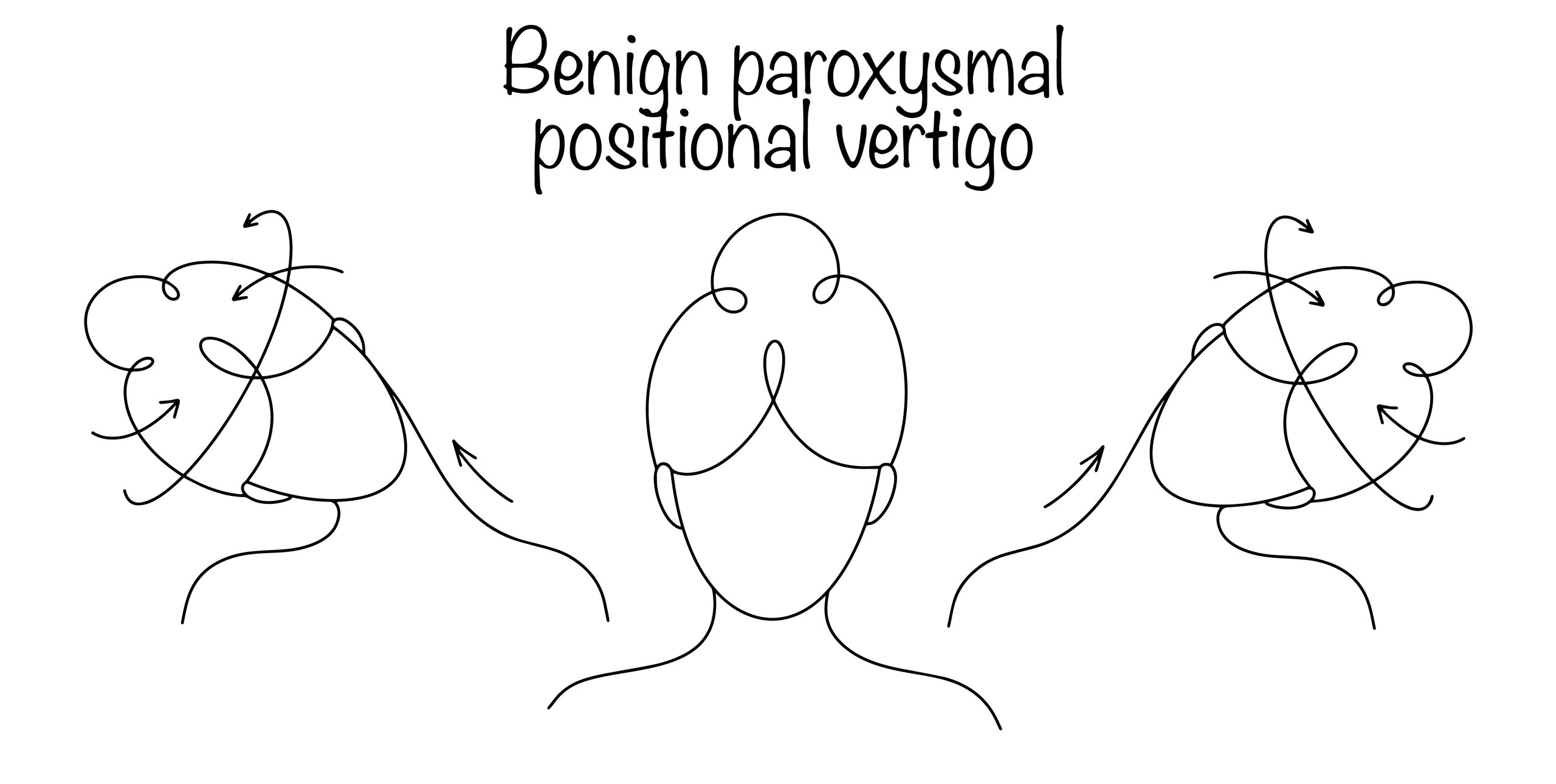
A Closer Look at Vertigo: A Symptom, Not a Diagnosis
Vertigo refers to the false sensation that you or your surroundings are moving or spinning when no such movement is occurring. Many people use the term interchangeably with dizziness, but they’re actually separate things. Dizziness is an umbrella term for a number of sensations, such as lightheadedness or unsteadiness.
In addition to describing a specific sensation, vertigo usually indicates an issue with your vestibular system, which is located in your inner ear and pathways in the brain that help process information about head movement and help you stay oriented. One of the most common of these issues is BPPV.
A Deep Dive Into BPPV
Inside each inner ear are small calcium carbonate crystals, which help detect changes in head position and movement. BPPV occurs when some of these crystals become dislodged and enter one of the inner ear’s fluid-filled semicircular canals, which normally detect rotational head movement.
When loose crystals move through a canal, they disturb the fluid and send an inaccurate movement signal to the brain. Your eyes and other sensory systems may be reporting that you are still, while your inner ear says you are moving. The result can be a sudden burst of vertigo.
Certain head movements tend to trigger symptoms, including:
- Rolling over or changing positions in bed
- Lying down or sitting up
- Looking upward
- Bending forward
- Turning the head quickly
BPPV episodes are usually brief, often lasting less than a minute after the triggering movement. Sometimes, you might experience other symptoms in addition to vertigo, including nausea or unsteadiness. During positional testing, your therapist may observe characteristic involuntary eye movements called nystagmus.
The Foundation of BPPV Treatment
The primary treatment for BPPV is canalith repositioning maneuvers. These techniques involve a physical therapist carefully guiding your head and body through a sequence of positions to move the displaced crystals out of the semicircular canal and back toward an area of the inner ear where they are less likely to trigger vertigo.
Many people experience significant improvement after a few treatment sessions. However, some cases require additional treatment, particularly when more than one canal or ear is involved.

The Role of Vestibular Therapy in BPPV
Getting those dislodged crystals back where they belong is essential for treating BPPV. But what happens if you continue to feel unsteady or sensitive to movement? In those cases, we might recommend a broader vestibular rehabilitation program that offers several techniques to address lingering dizziness, motion sensitivity, balance problems, or other vestibular-related limitations. These include:
Gaze Stabilization
- These activities train your eyes and vestibular system to work together so you can keep your vision clearer while your head is moving.
Habituation
- Carefully repeated exposure to certain movements may help reduce lingering motion sensitivity when appropriate.
Balance Training
- Activities can challenge the systems responsible for stability and help you feel steadier during standing, walking, and daily tasks.
Walking and Mobility Training
- Therapy may address unsteadiness with turning, changing speeds, moving across different surfaces, or performing everyday activities.
Fall-Risk Management
- Your therapist can identify factors that may contribute to fall risk and develop strategies to improve safety and confidence.
Patient Education
- Understanding triggers, recovery, recurrence, and when to seek further medical attention can make dizziness feel more manageable.
We always make sure your treatment reflects your specific needs. Someone with straightforward BPPV may primarily need a repositioning maneuver, while a person with lingering balance difficulties may benefit from additional vestibular rehabilitation.
Stop Letting Vertigo Dictate How You Move
BPPV is considered benign because it’s not life-threatening. However, its effects can have a big impact on day-to-day life. The good news is that treatment is available.
The team at Optimum Health & Wellness can assess your vertigo and other symptoms, determine whether BPPV may be contributing, and provide individualized vestibular therapy tailored to your needs. With targeted treatment, you can work toward steadier movement and greater confidence in the activities that matter to you.
Contact us today to schedule an evaluation and take the next step toward getting your balance back on track.
Sources: https://www.ncbi.nlm.nih.gov/books/NBK470308/, https://pmc.ncbi.nlm.nih.gov/articles/PMC10114537/
Exercise of the Month
Lower Trunk Rotations
(Lower Back, Core)
Start by lying face up on the floor with your knees bent. Allow your knees to slowly drop to one side. Your lower back should rotate, but your shoulders should stay flat on the ground. Hold for 30 seconds. Bring your knees back up and then drop them to the opposite side. 2 Sets, 2 Reps.
Announcing Our New Service!
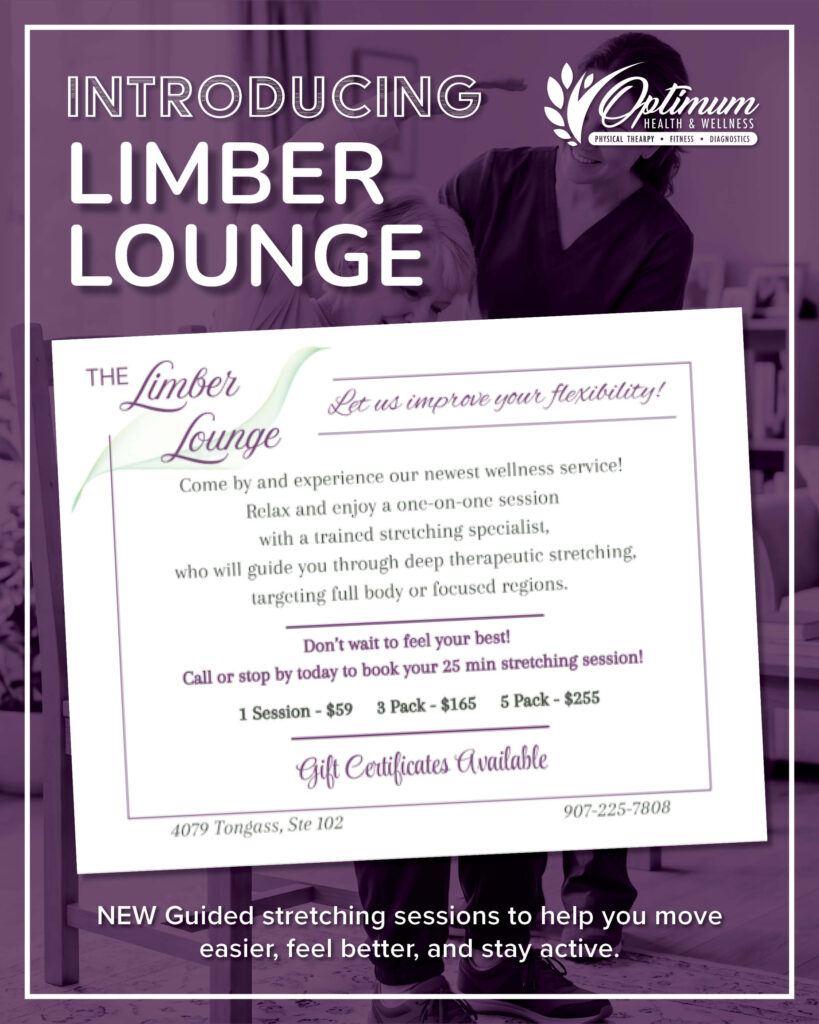
Introducing the Limber Lounge
Flexibility plays an important role in good health and everyday movement. It helps your body move more comfortably through the activities that fill your day, from reaching and bending to walking, lifting, and getting up and down. When your muscles and joints receive regular attention, movement can feel easier, tension can lessen, and staying active can feel more attainable.
As Optimum Health & Wellness refines its wellness class offerings, the Limber Lounge provides a thoughtful way to focus on mobility in a more personal setting. Each session is designed to support your individual needs and can be a valuable addition to your existing wellness routine.
The Limber Lounge offers one on one guided stretching with a trained specialist. During each 25 minute appointment, you will be supported through stretches selected to help you move with greater comfort and confidence. It is an ideal option if you are feeling stiff after long days at work, recovering from exercise, looking to improve your range of motion, or simply making time to care for your body.
More than a stretch, the Limber Lounge is an opportunity to slow down, reconnect with how your body feels, and leave feeling refreshed. Whether you are beginning a wellness routine or building on one you already have, these personalized sessions can help you move easier, feel better, and stay active.
Appointments are available now, with individual sessions and package options to fit your wellness goals. Call (907) 225 7808 or stop by Optimum Health & Wellness to schedule your first session.
Staff Spotlight
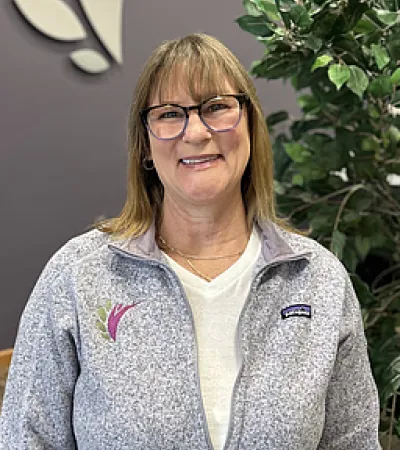
Stacy Fulcher
PTA
Stacy grew up between coastal Virginia and North Carolina, where she developed a deep connection to both the land and her community. Before joining Optimum Health & Wellness, she worked with the local agriculture department, educating others on homesteading techniques. She also proudly served in the U.S. Army, experiences that shaped her into someone who is dependable, adaptable, and grounded in being fully present in each moment.
As a Physical Therapist Assistant with over 13 years of experience, Stacy has worked across home health, post-acute rehabilitation, and outpatient settings. She is passionate about helping patients feel empowered throughout their recovery and wellness journeys. Stacy believes physical therapy extends far beyond injury treatment, serving as a powerful tool for prevention, pain management, and overall well-being.
Driven by a mission to expand awareness of the full scope of physical therapy, Stacy is committed to helping her community better understand the value of proactive and whole-body care. She is especially passionate about reaching people beyond the clinic setting and making wellness more accessible to all. To further this goal, Stacy is proudly taking the lead in implementing our new service, the Limber Lounge by Optimum Health & Wellness. This program offers 25-minute one-on-one guided therapeutic stretching sessions with a trained specialist to help you move with greater comfort and confidence.
Stacy leads with kindness, fairness, and honesty, creating meaningful connections with her patients and fostering an environment of trust and support. She lives by the reminder: “Be happy for this moment. This moment is your life,” a mindset that shapes both her care and her everyday life.

Spicy Creamy Mushroom Udon
For a spicy, satisfying meal, you have to try this Japanese-Korean fusion bowl! It features udon noodles tossed in a rich, creamy Gochujang Mushroom Sauce and is topped with the crispiest herb-butter-fried oyster mushrooms.
For the Crispy Oyster Mushrooms:
- 6 oz (170 g) oyster mushrooms, torn into bite-sized pieces
- 1 tbsp butter
- 1 tbsp oil
- 2-3 sprigs fresh thyme
- Salt and black pepper to taste
For the Creamy Spicy Mushroom Udon:
- 2 packs udon noodles (fresh or frozen, about 14–16 oz / 400–450 g total)
- 5-6 fresh shiitake mushrooms, thinly sliced
- 1 large shallot, finely chopped
- 4 cloves garlic, minced
- 1 ½ – 2 tbsp gochujang (Korean red chili paste), adjusting to your spice preference
- 1 cup heavy cream
- ¼ – ½ cup water or chicken/vegetable broth, as needed
- Salt and black pepper to taste
- Green onions, sliced (optional, for garnish)
Instructions:
- Make the crispy mushrooms: Heat the butter and oil in a large pan over medium-high heat. Add the oyster mushrooms and thyme, season lightly with salt and black pepper, and pan-fry for 4–5 minutes. Stir occasionally until they are golden brown and crispy around the edges. Remove from the pan and set aside.
- Build the sauce: In the same pan, add the chopped shallot, minced garlic, and sliced shiitake mushrooms. Sauté over medium heat for 3–4 minutes, until the shallots soften and the mushrooms turn lightly golden.
- Make it creamy and spicy: Add the gochujang and stir for about 30 seconds to toast the paste. Pour in the heavy cream and ¼ cup of your water or broth. Mix until the gochujang is fully incorporated and the sauce is smooth.
- Add the udon: Place the udon noodles directly into the sauce. Turn the heat up to high and cook for 2–3 minutes, tossing constantly until the noodles separate and are completely coated in the creamy sauce. (Note: If the sauce becomes too thick, add another splash of water or broth.)
- Garnish and serve: Taste the sauce and adjust the salt and black pepper if needed. Divide the noodles between two bowls and top generously with the crispy oyster mushrooms and sliced green onions.