The Relationship Between Lower Back Pain and Pelvic Pain
Most of us will experience back pain at some point in our lives. We might get a little too enthusiastic when moving furniture or develop muscular imbalances due to a sedentary job. But sometimes, back pain isn’t really back pain–rather, it’s rooted in dysfunction in your pelvic area.
Unfortunately, pelvic pain is often harder to discuss than back pain. It often stems from dysfunction with your pelvic floor, the band of muscles that support your bladder, bowels, and genitals. It can also indicate an issue with your sacroiliac joints.
Both back and pelvic pain can strike men and women–but women do tend to have more issues with pelvic pain, including pelvic-related back pain. Bodily changes during pregnancy are an especially common culprit.
If you’re dealing with pain in your lower back or pelvic area–or both–call Optimum Health & Wellness to schedule an appointment. We’ll help determine the actual source of your pain so you can find lasting relief.
Understanding the Causes of Lower Back and Pelvic Pain
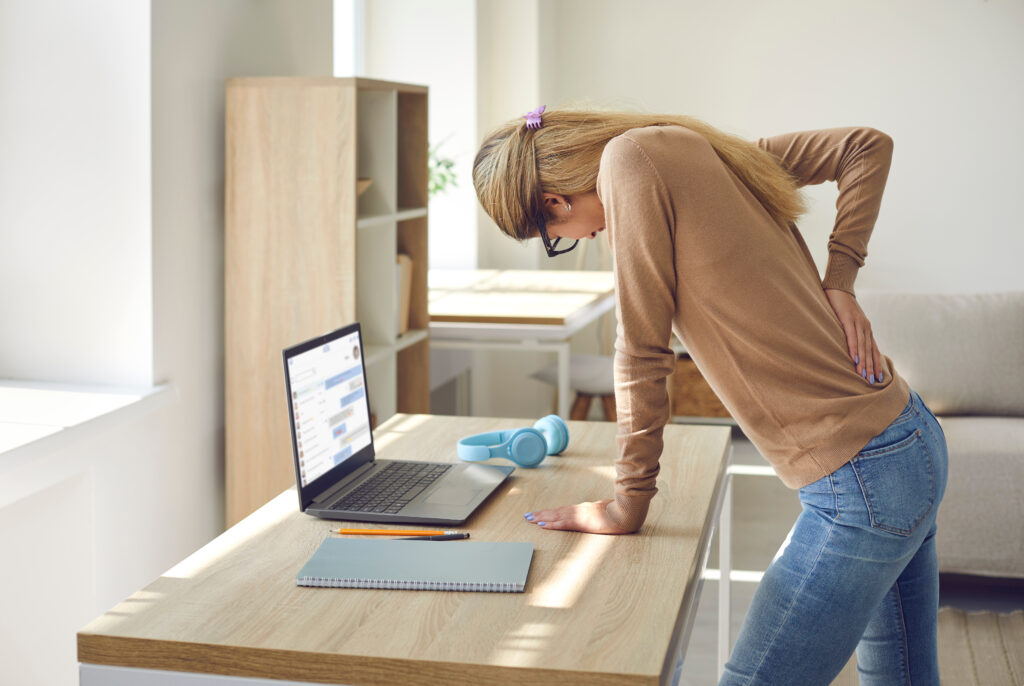
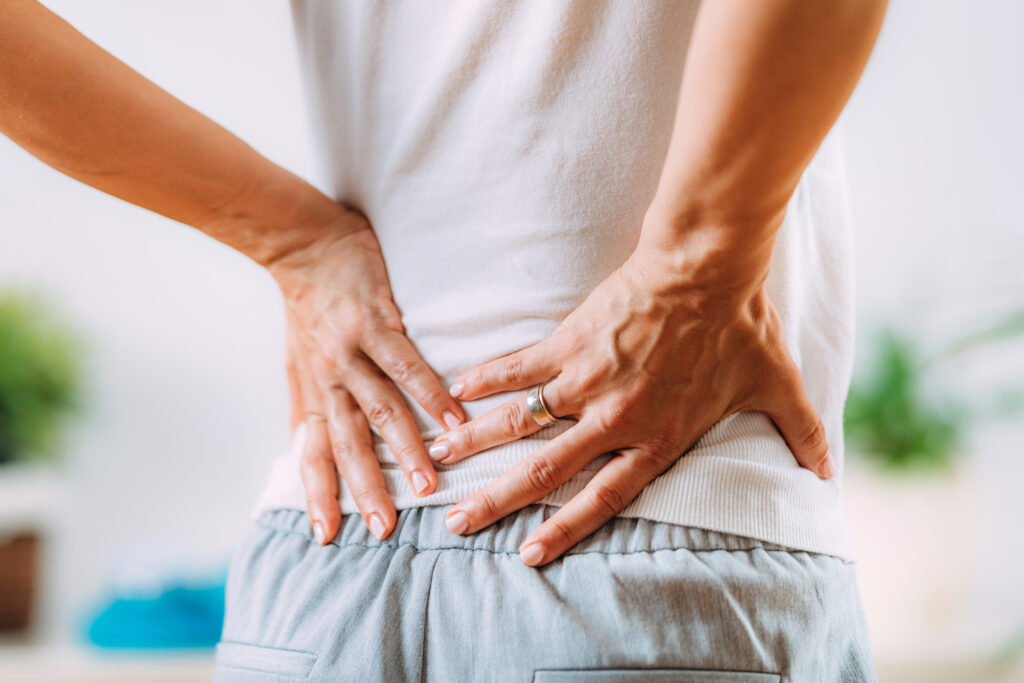
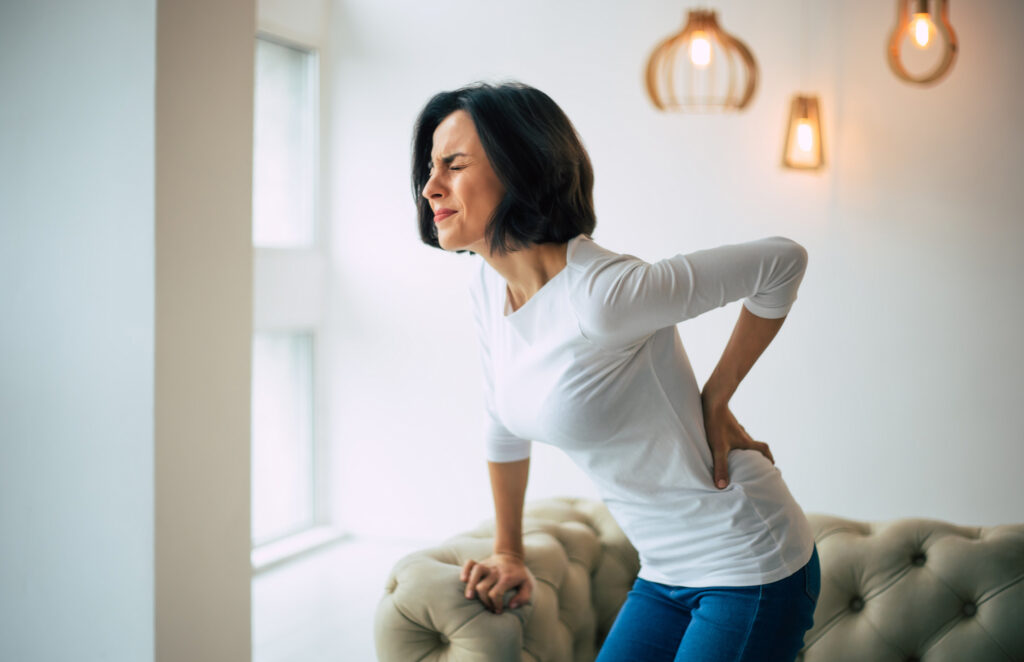
Lower back pain is widespread and has several potential causes, including herniated discs, sprains and strains, poor posture, and spinal arthritis–not to mention various contributing factors like poor posture or muscular weakness.
But if that pain spreads into your pelvic area, there may be something else going on. In fact, lower back pain without a clear underlying cause often stems from dysfunction in the pelvic area, such as the following:
- Impaired pelvic floor: Did you know that your pelvic floor muscles make up part of your core, which supports and stabilizes your spine? If your pelvic floor muscles are weakened or impaired, your back muscles have to do more work to compensate–setting you up for muscle strains or other injuries.
- Sacroiliac joint dysfunction: The sacroiliac joint is the joint that links the spine to the pelvis, so it should be surprising that if something’s wrong there, you may feel pain in both your lower back and your pelvic area. Arthritis, injury, and pregnancy can all cause issues in the sacroiliac joint.
- Pregnancy: Pregnancy itself is a common cause of pain throughout the lower back and pelvic area. There are two main reasons for this:
- Hormonal changes cause your ligaments to become looser in preparation for childbirth, which puts strain on your lower back and pelvis.
- Your center of gravity changes, and your growing baby can force your hips back at an awkward angle, leading to pain.
Helping You Find Relief, No Matter the Source
When it comes to pain in your lower back and pelvis, the first step our therapists take is to identify the source of your pain. That way, we can provide the customized treatment you need to resolve the pain at its root rather than merely treating symptoms.
We’ll begin with a comprehensive evaluation. Our therapists provide a welcoming, discreet space where you can freely share your symptoms–including pelvic-related symptoms that might feel embarrassing. Make sure you share…
- The exact location of your pain
- The pain’s sensations–is it burning? Dull? Aching?
- When do you feel pain? Is it persistent? Do you mostly notice it when you wake up?
- Any restrictions in range of motion you might be experiencing
- Any pelvic-related symptoms you might be experiencing, such as incontinence or sexual dysfunction
Once we’ve reviewed your symptoms and taken a full health history, we’ll conduct an in-depth physical evaluation, including running several movement screens. All this information helps us determine whether or not your pain is rooted in your lower back, pelvic area, or somewhere else–and that helps us develop your personalized treatment plan.
Targeted Treatments So You Can Find Relief
Our treatment plans will vary based on your exact needs. In general, though, we aim to help you with the following:
- Find immediate pain relief through manual therapy techniques or gentle stretches
- Improve mobility through targeted range of motion exercises
- Strengthen any weakened or impaired muscles, whether in your back or pelvic floor
- Provide you with the tools you need to avoid future bouts of pain
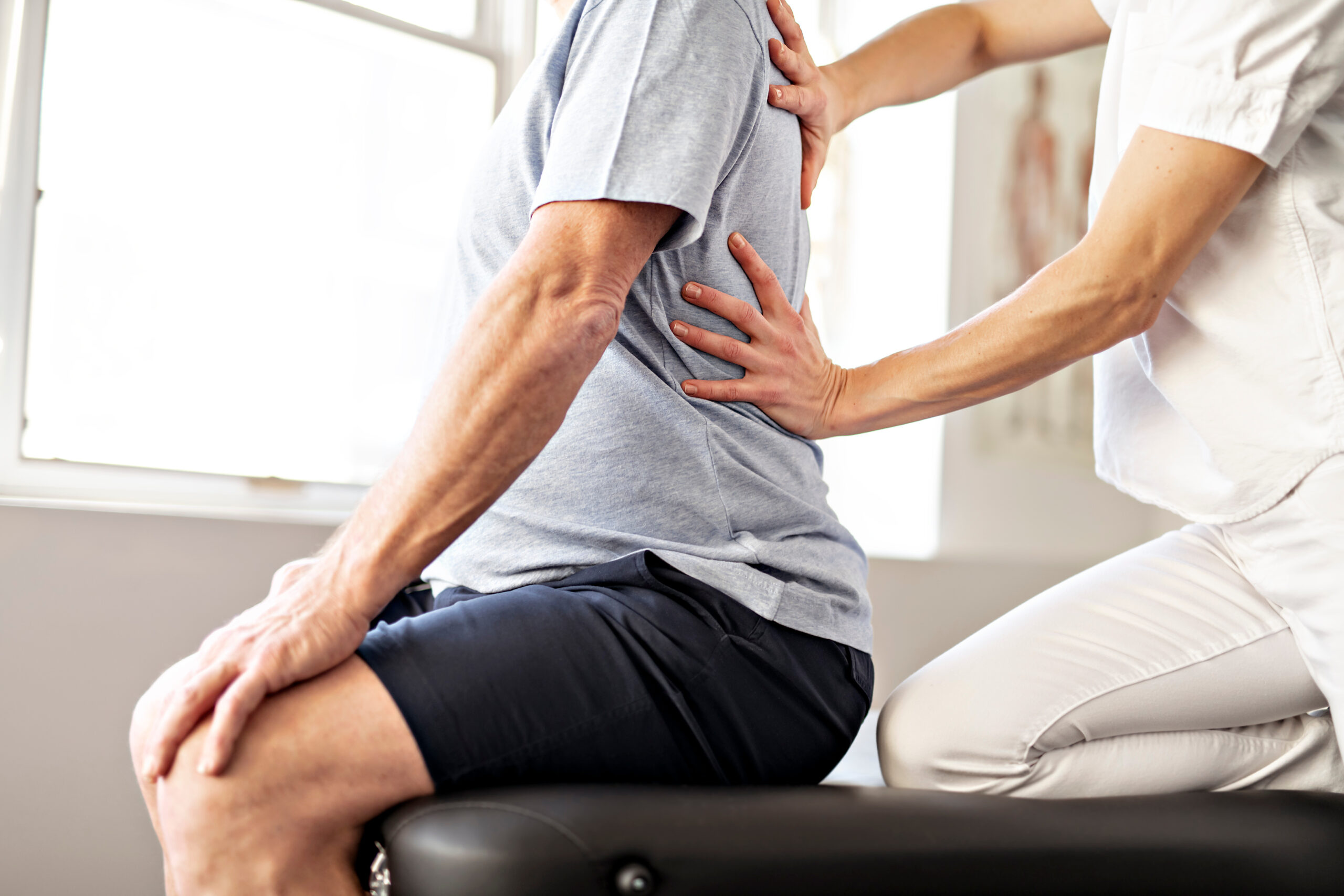
Call Us Today To Get Started!
If you’re struggling with back or pelvic pain, the Optimum Health & Wellness therapists will help you get to the bottom of things. Call to make your appointment today!
Sources: https://www.physio-pedia.com/Low_Back_Pain_and_Pregnancy, https://www.physio-pedia.com/Sacroiliac_Joint, https://pubmed.ncbi.nlm.nih.gov/36205811/
Exercise of the Month
Bridging
(Glutes, Lower Back, Hamstrings)
Begin on your back. Bend your knees and keep your back flat on the ground. Gently, contract your abdominals and hold to keep your back flat as you move up into the bridge position. Remember to breathe. Gently, squeeze your butt muscles and lift your hips off the ground. The goal is to have your hips aligned with your knees and shoulders. Hold for 5 seconds. 3 Sets, 10 Reps.
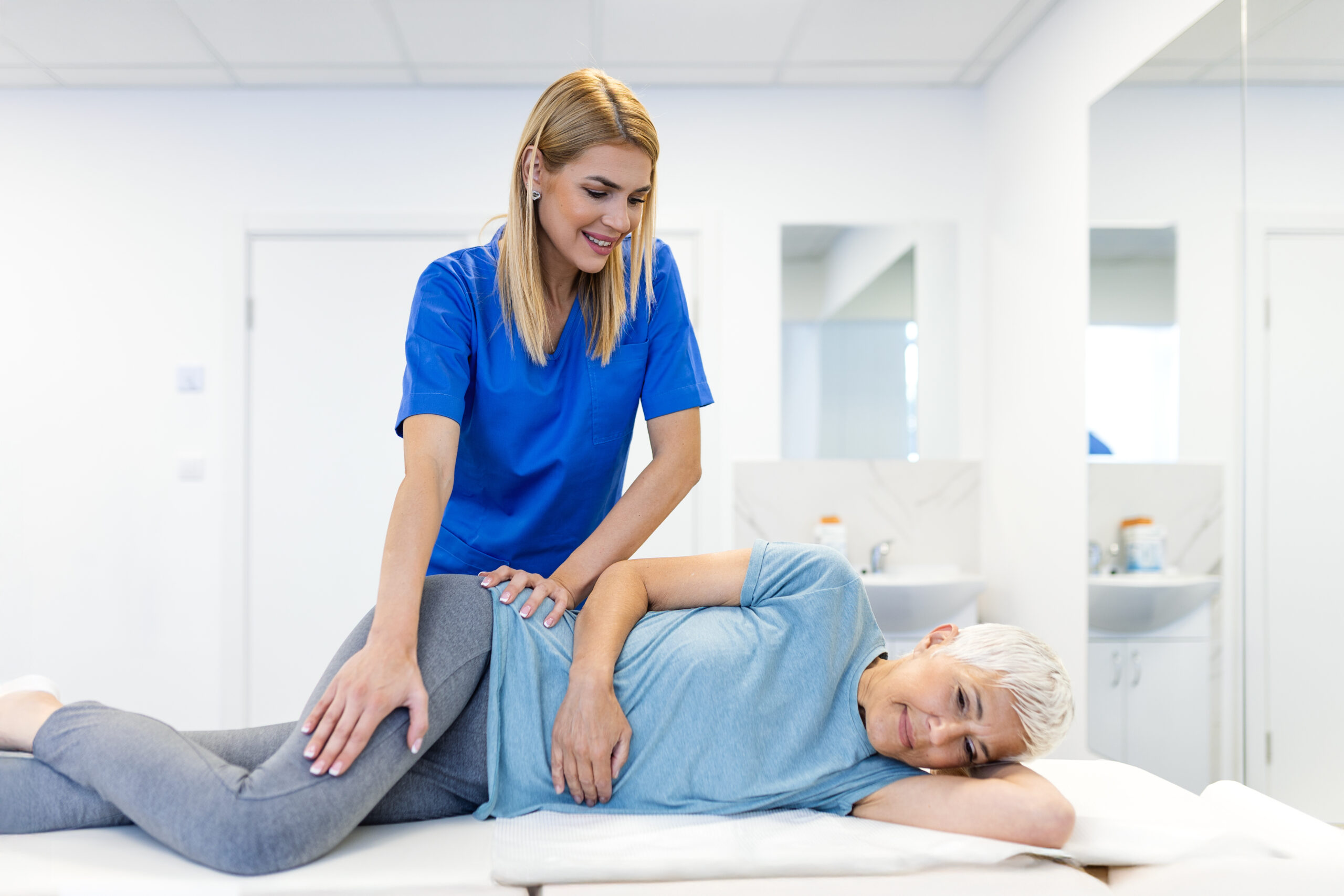
A Quick Introduction to Pelvic Floor Physical Therapy
When was the last time you thought about your pelvic floor? This sling of muscles isn’t visible, but it plays a significant role in our overall health and well-being:
- It makes up part of our core muscles, which help us move better and more effectively.
- It supports our pelvic organs–bowels, bladder, and, in women, genitals.
- If it’s impaired, you can suffer a range of symptoms, from pain to sexual dysfunction.
Pelvic floor physical therapy is a specialized form of physical therapy that focuses on matters of the pelvic floor. It uses the same principles as standard physical therapy, including identifying the source of your discomfort and providing you with a personalized treatment plan.
What Can I Expect From Pelvic Floor Physical Therapy?
- Help with pelvic-related conditions such as incontinence, pelvic pain, sexual dysfunction, or pelvic prolapse.
- A discreet space where you can freely share symptoms and work with a therapist specially trained in women’s health and/or pelvic floor issues.
- Guidance in identifying the deep muscles that might be causing you issues–such as your pelvic floor, deep abdominals, or diaphragm. These muscles are not visible, so working on them can be a challenge.
- Information about using these muscles correctly and targeted exercises to stretch and strengthen them.
- Simple pelvic floor exercise plans that you can do at home.
We offer pelvic floor physical therapy here at [Site-name]. If you’d like to learn more about what it can do for you, call us today!
Sources: https://www.physio-pedia.com/Low_Back_Pain_and_Pregnancy, https://www.physio-pedia.com/Sacroiliac_Joint, https://pubmed.ncbi.nlm.nih.gov/36205811/
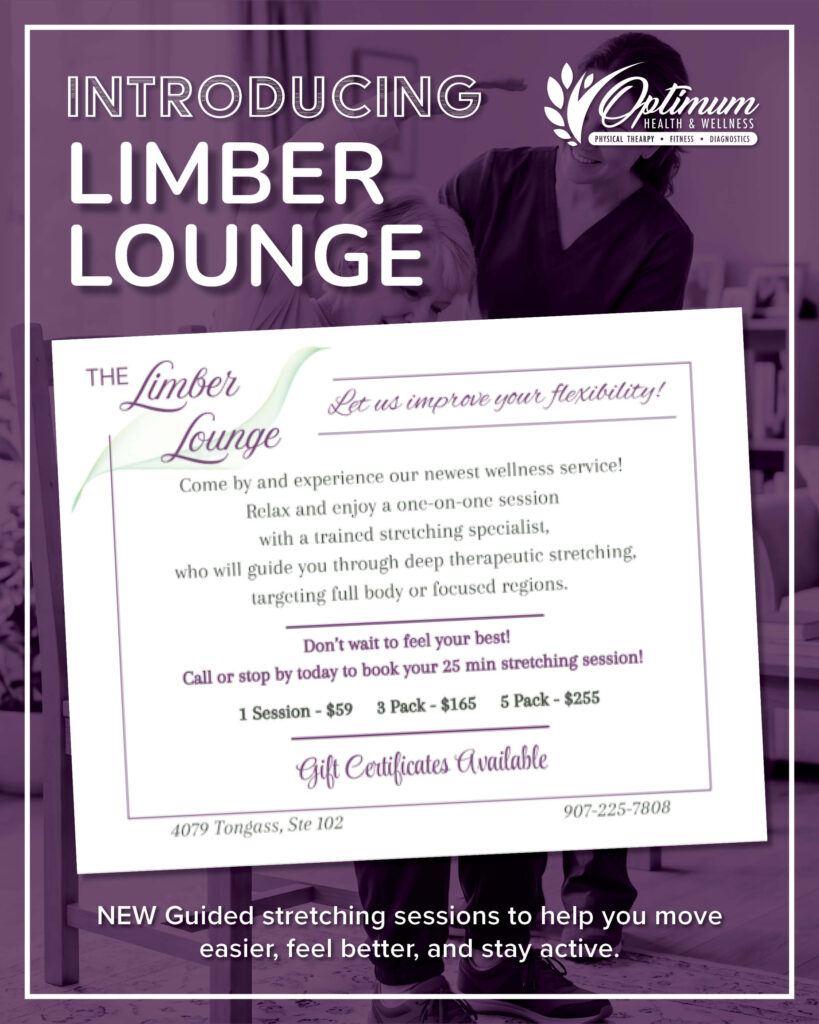
Introducing the Limber Lounge
Move easier, feel better, and give your body the attention it deserves with The Limber Lounge, a new wellness service at Optimum Health & Wellness! Designed for people of all activity levels, our one-on-one assisted stretching sessions help improve flexibility, reduce muscle tension, and support better movement in everyday life.
Unlike stretching on your own, each 25-minute session is guided by a trained stretching specialist who tailors every stretch to your unique needs. Whether you’re recovering from a workout, feeling stiff after long days at work, or simply looking to move more comfortably, the Limber Lounge offers a relaxing, personalized experience focused on helping you feel your best.
Appointments are available now, with single sessions and package options to fit your wellness goals. Call (907) 225-7808 or stop by Optimum Health & Wellness to learn more and book your first stretch session!
Staff Spotlight

Jenny Lichti
PT
Jenny Lichti is a dedicated physical therapist with over seven years of experience as a traveling PT, bringing a diverse clinical background and a patient-centered approach to every setting she serves. She earned her Doctor of Physical Therapy (DPT) and has worked across multiple states, gaining valuable insight into a wide range of patient populations and care environments.
Jenny is passionate about providing individualized, compassionate care that empowers patients to achieve their goals. She believes strongly that each patient is more than a number, and she strives to create an empathetic and supportive environment where people feel heard, motivated, and equipped to succeed in their recovery.
Her professional mission is rooted in improving the quality of care within the healthcare system, particularly by advocating for meaningful, patient-focused treatment over productivity-driven models. She is driven by values of compassion, curiosity, and continuous learning, always seeking to grow both personally and professionally.
Originally from the Bay Area, Jenny enjoys spending her time outside of work reading, baking, crafting, and exploring the outdoors. She is inspired by the belief that “you only fail when you stop trying,” a mindset she brings into both her life and her work with patients every day.
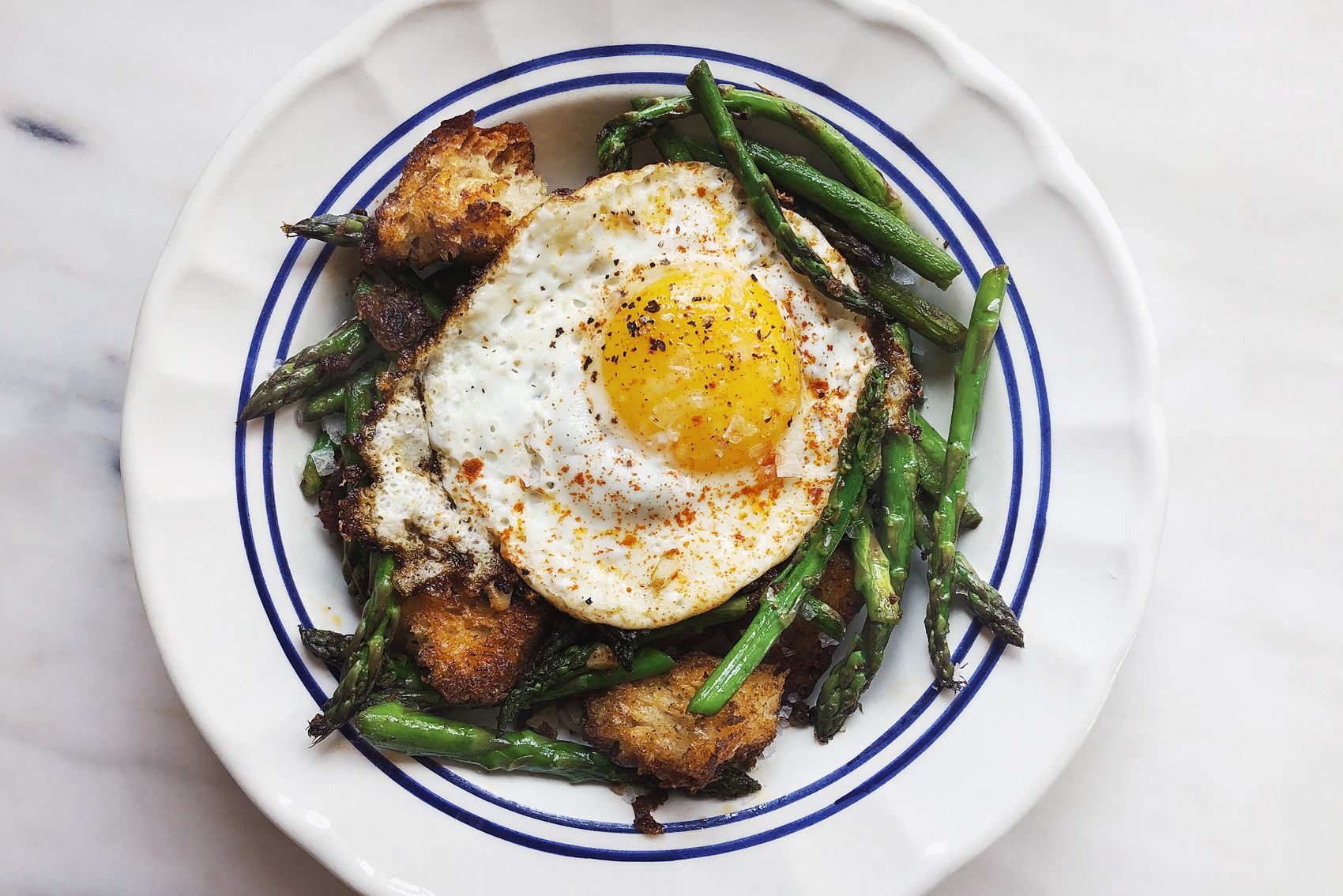
Asparagus With Fried Eggs & Sizzled Paprika Croutons
There are several reasons to keep this speedy, supremely satisfying meal in your rotation: It’s also lifesaver on nights when you’re tired to cook. It’s a new way to highlight asparagus.
Ingredients
- 3 large slices crusty bread, torn (crust and all) into bite-sized pieces (yielding about 3 cups in total)
- 3 1/2 tablespoons extra-virgin olive oil, divided
- 2 tablespoons unsalted butter
- 4 garlic cloves, peeled and smashed (or substitute 1/2 teaspoon garlic powder)
- 1 1/2 teaspoons smoked paprika, plus additional for sprinkling on eggs
- 1 bunch asparagus (1 pound), tough ends trimmed and cut into 2-inch pieces
- 1 pinch kosher salt, plus more to taste
- 1 pinch black pepper, plus more to taste
- 4 large eggs
Instructions:
- In a 12-inch skillet, heat 1 1/2 tablespoons olive oil, 1 tablespoon butter, and garlic cloves over medium heat. Add the smoked paprika (it will gently sizzle), then mix in the bread. Stir until each piece is evenly coated in the paprika and fat. Saute for about 3 minutes, or until the croutons are lightly toasted and starting to crisp around the edges (lowering the heat, if needed, to not burn the butter or paprika).
- Move the croutons to the edges of the skillet. In the middle, add 1 tablespoon olive oil and the asparagus. Season with salt and black pepper, then stir to integrate with the croutons. Saute, stirring frequently, until the asparagus is crisp-tender and the croutons are nicely crisp yet soft in the middle, about 4 minutes (time may vary based on the spears’ thickness). Adjust seasoning to taste. Give the garlic cloves a quick chop and stir into the asparagus, or save for another use.
- Either in a separate skillet, or in the same skillet (with the asparagus and croutons transferred to another dish; no need to clean the skillet), heat remaining 1 tablespoon olive oil and 1 tablespoon butter over medium-high heat. Crack eggs into the skillet and season with salt, pepper, and a few pinches of smoked paprika evenly sprinkled over the eggs. Fry until the whites are golden brown and crispy at the edges, and yolks are still runny, about 2 to 3 minutes (or longer for yolks on the medium or well side).
- To serve, transfer the asparagus and croutons to plates and top with the fried eggs. Serve warm.