
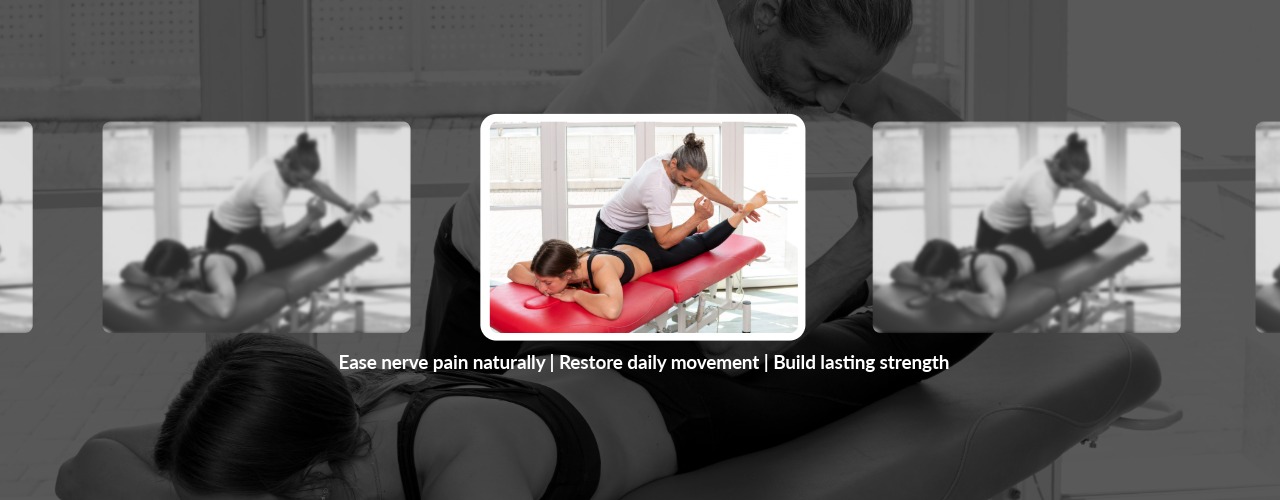
Sciatica pain can make daily tasks feel overwhelming, from sitting at a desk to getting out of bed. This condition is caused by irritation or compression of the sciatic nerve, which runs from the lower back through the hips, buttocks, and down the legs. People with sciatica often experience sharp, burning, or shooting pain on one side of the body, sometimes along with numbness or tingling.
While sciatica can be frustrating and persistent, it is highly manageable with the right approach. At Optimum Health & Wellness, we help patients reduce pain and improve mobility through personalized physical therapy plans that restore function and comfort.
The Problem: Sciatica Pain Disrupts Daily Life
The sciatic nerve is the largest nerve in the body. When it becomes compressed or inflamed, often due to a herniated disc, spinal stenosis, or muscle tension, it sends pain signals along its pathway. This results in a variety of symptoms, including:
- Pain in the lower back, buttocks, or down the back of the leg
- Tingling or numbness along the sciatic nerve
- Muscle weakness in the affected leg
- Pain that worsens with prolonged sitting or standing
- Discomfort during coughing, sneezing, or changing positions
Many people with sciatica also feel limited in how they move, leading to decreased activity, muscle weakness, and increased sensitivity. These factors can create a cycle that is hard to break without help.
Common Misconceptions About Sciatica
Some people believe sciatica is just another form of general back pain. Others assume surgery is the only solution. In truth, sciatica involves nerve irritation, not simply muscle tightness. It often results from pressure created by disc material, joint inflammation, or muscle tension near the nerve. Most cases improve with conservative treatment and do not require surgery.
Another myth is that rest is the best solution. While short-term rest can calm symptoms, staying inactive for too long may slow recovery and make the condition worse.
Sciatica Pain: Movement Is Part of the Solution
Physical therapy is one of the most effective ways to manage sciatica symptoms. At Optimum Health & Wellness, we create custom plans that address the root cause of irritation and help patients return to comfortable, natural movement.
Our treatment plan may include:
- Manual therapy to reduce joint and tissue tension
- Targeted stretching to release tight muscles in the hips and back
- Nerve mobility exercises to reduce sensitivity and promote healing
- Strengthening of the core and glute muscles for better spinal support
- Postural training to ease pressure on the sciatic nerve
Each session is tailored to your needs, activity level, and symptoms. We carefully monitor your progress and adjust as needed to help you move forward safely.
How to Manage Sciatica Pain at Home
In addition to therapy, these tips can support your recovery:
1. Stay Active
- Avoid complete rest. Short walks or light movement throughout the day can reduce stiffness.
2. Check Your Posture
- Use a supportive chair and avoid slouching. Keep your hips and knees at the same level while seated.
3. Apply Cold or Heat
- Use an ice pack for pain or heat for muscle tightness. Apply for 15 to 20 minutes and avoid direct contact with the skin.
4. Stretch Consistently
- Try hip and spine stretches daily. Move slowly and stop if pain increases.
5. Avoid Sitting Too Long
- Take short standing or walking breaks every 30 to 60 minutes.
6. Listen to Your Body
- Stop activities that cause sharp or radiating pain. Let your therapist know if symptoms change.
Physical Therapy Builds Strength and Confidence
Sciatica pain does not need to take over your life. With proper guidance and a structured plan, you can ease symptoms and get back to doing the things you enjoy. Physical therapy focuses on long-term improvement, not just short-term relief. We help you build strength, increase mobility, and move with confidence.
At Optimum Health & Wellness, we work with each patient to understand their condition and create a personalized path to recovery.
Take the First Step Toward Lasting Relief
If you are dealing with sciatica pain, do not wait for it to improve on its own. Contact Optimum Health & Wellness today to schedule your evaluation. Our experienced team is ready to help you move better, feel stronger, and take control of your recovery. You deserve a solution that works. Let us help you find it.






Leave a Reply