How Physical Therapy Can Help You Find Better Balance and Stability
Stand and Walk With Confidence And A Sure Step
Do you ever feel unsteady on your feet? Have you noticed it’s getting harder to navigate stairs or uneven surfaces? Maybe you’ve even had a close call or two, and now you’re worried about falling.
Feeling nervous about falling is reasonable, especially if you’re older. Falls are one of the most common causes of injury and hospitalization among older adults, although they can impact younger people, particularly if they’re recovering from surgery or injury. Furthermore, balance challenges can dramatically impact your quality of life, making it tough to stay active and independent.
At Optimum Health & Wellness, we understand your concern. However, we also want to make it clear that falls are not an inevitable part of aging! There are steps you can take to enhance your overall balance and stability, which can help keep you on your feet for years to come. Even better, you don’t have to do it alone. Our team of movement specialists is here to help.

Why Do We Need Balance And Stability?
Firstly, balance and stability aren’t the same thing, although they are connected:
Balance is the ability to maintain your center of gravity over your base of support. Essentially, it means you can stay upright.
Stability is the ability to resist forces that threaten to disrupt balance, such as a bump in the sidewalk or a playful nudge from a grandchild.
To reduce your risk of falls, you want to enhance both of these factors. Standing on one foot might mean you have good balance, but if you have poor stability, it won’t necessarily protect you from falling.
How Do I Know If I Need to Work on Balance And Stability?
Many factors can contribute to balance and stability problems, including the following:
- Age-related decline in muscle strength, mobility, and reaction time
- A history of falls
- Medical conditions that affect mobility, such as arthritis
- Inner ear disorders (which often cause dizziness and vertigo)
- Neurological conditions like stroke or Parkinson’s disease
- Vision challenges
- Certain medications
Generally speaking, if you’re experiencing symptoms like feeling unsteady or dizzy, frequent falls or near falls, difficulty walking or turning, or needing to use furniture or walls for support, reach out to Optimum Health & Wellness. We’ll help you develop a program that addresses your specific needs.

How Physical Therapy Helps Enhance Balance And Stability
Physical therapy addresses the underlying factors contributing to your balance or stability challenges. That’s why our team will also begin with a thorough evaluation to help us understand the reasons for your fall risk.
We’ll discuss your health history, evaluate your balance, strength, and movement patterns with a few simple movement screens, and learn more about your concerns. That way, we can blend various treatment techniques to create a unique, effective treatment program.
Some of these techniques might include:
Strength Training
Good core and lower body strength are essential for enhanced stability. A strong core, in particular, helps stabilize your body so you can stay on your feet.
Balance and Proprioceptive Training
This technique focuses on improving your body’s awareness of its position in space. By challenging your balance with exercises on unstable surfaces or with your eyes closed, you can retrain your body to react more quickly and efficiently to changes in your environment.
Gait Training
An impaired walking pattern can affect your balance and increase your risk of falling. If necessary, we’ll help correct these impairments with personalized, targeted exercises.
Vestibular Rehabilitation Therapy (VRT)
If you’re struggling with vestibular dysfunction, we’ll guide you through specific exercises that retrain your brain to understand signals from your inner ear and improve balance.
Functional Activities
We’ll teach you how to execute functional activities, like walking, turning your head while walking or standing, reaching for something on a shelf while standing, and carrying objects.
Exercise of the Month
Backward Leg Kick
(Ankles, Core, Balance)
With your hands on the back of a chair, countertop, or wall, slowly lift your uninjured leg upward behind you so that your weight lies on the leg with the injured ankle. Hold this position for 20 to 30 seconds and gradually progress to more seconds as you get stronger. 2 Sets, 1 Rep. (Materials needed: chair)

Staff Spotlight: Hannah Lamitie, PT
With more than 30 years of experience as a Physical Therapist, Hannah Lamitie brings deep clinical expertise and a genuinely patient‑centered approach to Optimum Health & Wellness. She specializes in treating balance impairments, dizziness, and vertigo, and has extensive background across neurological and orthopedic conditions. Hannah is passionate about helping clients understand their limitations, regain confidence, and achieve meaningful progress in their recovery.
Hannah believes that the best care starts with connection. She takes time to get to know each client, ensuring they feel supported, heard, and empowered throughout their physical therapy journey. Because health insurance often limits visit frequency, Hannah works diligently to maximize every session—providing effective home programs that help clients accelerate results and maintain long‑term wellness.
Before joining Optimum Health & Wellness, Hannah spent over two decades in Colorado, where she worked within an Ear, Nose & Throat physician’s practice, focusing on vestibular and balance disorders. Originally from New York State, she now enjoys calling Ketchikan home and is excited to be part of a welcoming, collaborative healthcare team.
Driven by a commitment to quality care, a love of meeting people from all walks of life, and the power of a positive mindset, Hannah brings warmth, skill, and dedication to every client she serves.
When she’s not in the clinic, you’ll likely find her outdoors hiking, walking, exercising, or exploring the beauty of Southeast Alaska. She also enjoys the challenge of learning to play the piano—a new adventure she’s embraced with enthusiasm.
Favorite Quote: “For I only have a moment and a whole world yet to see.”
Take the First Step Towards Better Balance
Ready to take charge of your balance and regain your confidence? The Optimum Health & Wellness team is here to help you achieve your goals.
Call us today to schedule your first appointment and take the first step towards a more stable and active future.
Feeling Off-Balance? It Could Be These Vestibular Disorders
Balance challenges can develop for many reasons, including an underlying problem with your vestibular system. This is the part of your body responsible for spatial awareness and helping you maintain balance. It’s located in your cerebellum and inner ear and transmits information about your body positioning to your brain.
As you might expect, balance is one of the primary things affected when something goes wrong in your vestibular system. Fortunately, the team at Optimum Health & Wellness can help you understand your symptoms and get the relief you need.
Three Common Vestibular Disorders You Should Know
Benign Paroxysmal Positional Vertigo (BPPV)
BPPV is one of the most common causes of vertigo, a spinning sensation. It occurs when tiny calcium crystals in the inner ear become dislodged, disrupting the function of the vestibular system. BPPV is often triggered by specific head movements, like tilting your head back or rolling over in bed.
Ménière’s Disease
Ménière’s disease is a chronic condition that causes fluid buildup in the inner ear. It’s characterized by episodes of vertigo, often accompanied by tinnitus (ringing in the ears), hearing loss, and a feeling of fullness in the ear.
Vestibular Neuritis
Vestibular neuritis is an inflammation of the vestibular nerve, which transmits signals from the inner ear to the brain. It’s often caused by a viral infection and typically results in the sudden onset of vertigo, dizziness, nausea, and difficulty with balance. Symptoms usually improve over time, but we can help speed up recovery and improve balance function.
Suspect Vestibular Dysfunction? We Can Help
If you think you may have a vestibular issue, schedule an appointment at Optimum Health & Wellness. We’ll help you understand your condition so you can find relief!

Healthy Recipe: Balance-Boosting Salmon Bowl
This nutrient-rich recipe supports bone and muscle health—essential for maintaining balance and stability!
Ingredients:
- 6 oz salmon fillet
- 1 cup quinoa, cooked
- 2 cups cooked broccoli
- ½ avocado, sliced
- ¼ cup walnuts, chopped
- Lemon juice, olive oil, salt, and pepper to taste
Instructions:
1. Season salmon with salt, pepper, and lemon juice. Bake at 400°F for 12-15 minutes until cooked through.
2. Arrange quinoa as the base of your bowl. Top with cooked broccoli and flaked salmon.
3. Add avocado slices and sprinkle with walnuts. Drizzle with olive oil and lemon juice.
Why it’s good for balance: Salmon provides omega-3 fatty acids and vitamin D for muscle function and walnuts provide additional omega-3s and protein for muscle strength.
Community Collaboration: Supporting the Next Generation of Healthy Kids.
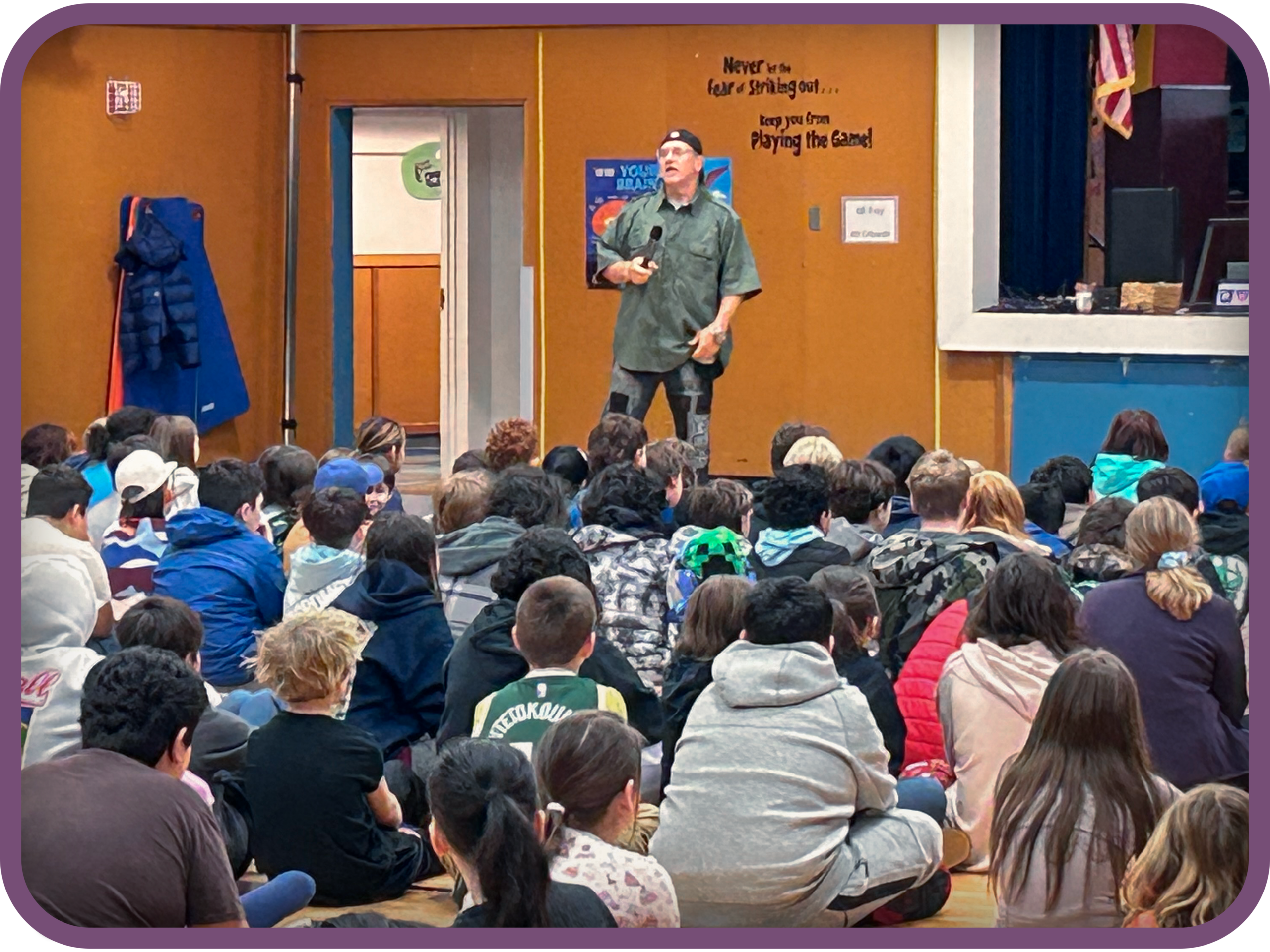
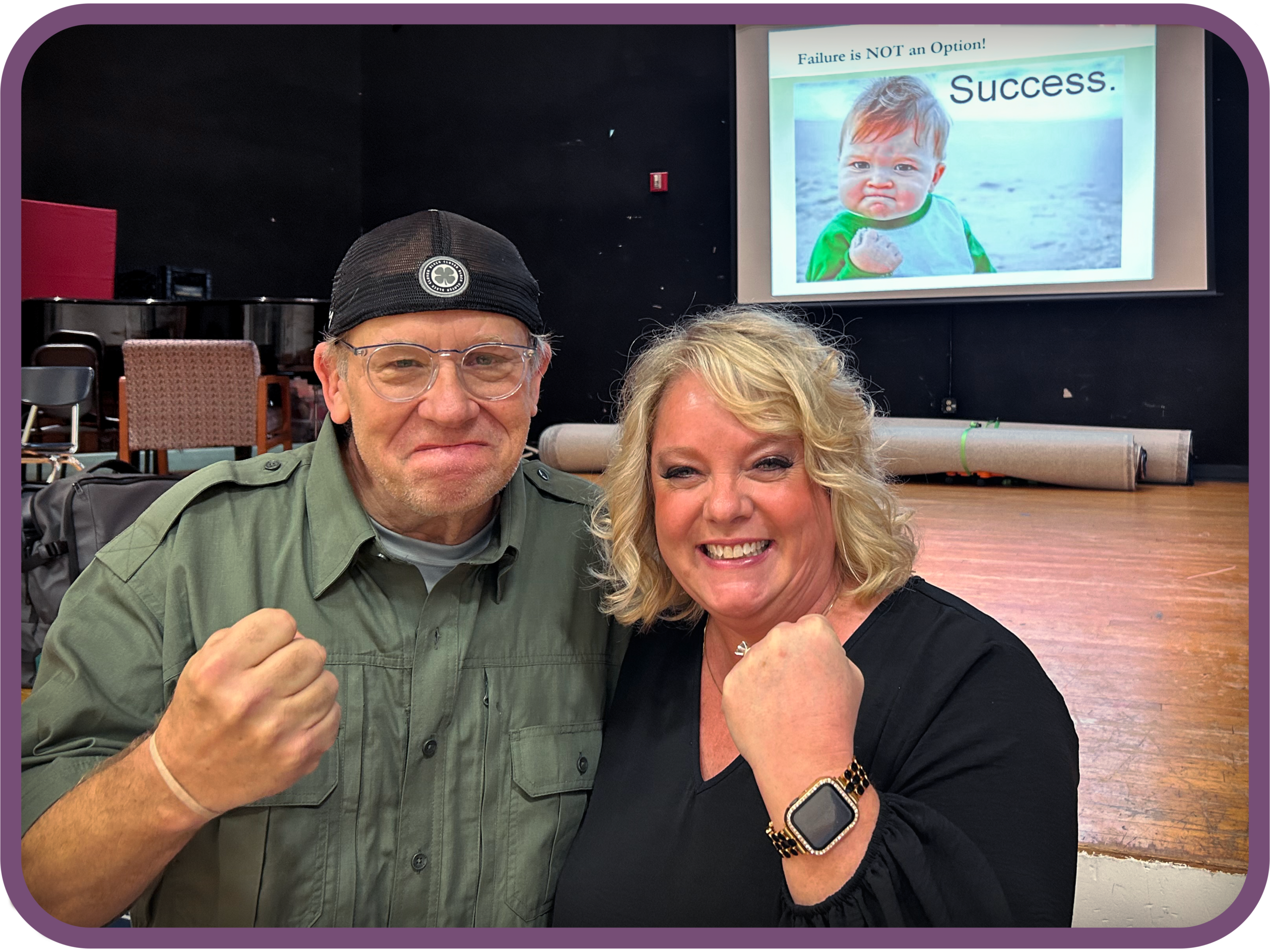
Optimum is proud to be supporting Michael DeLeon in his important work of educating students on drug risks and how to support their long-term health. We went to Houghtaling Elementary School to watch him speak to the kids and meet the school principal.
Sources: https://www.ncbi.nlm.nih.gov/books/NBK572153, https://www.choosept.com/guide/physical-therapy-guide-falls